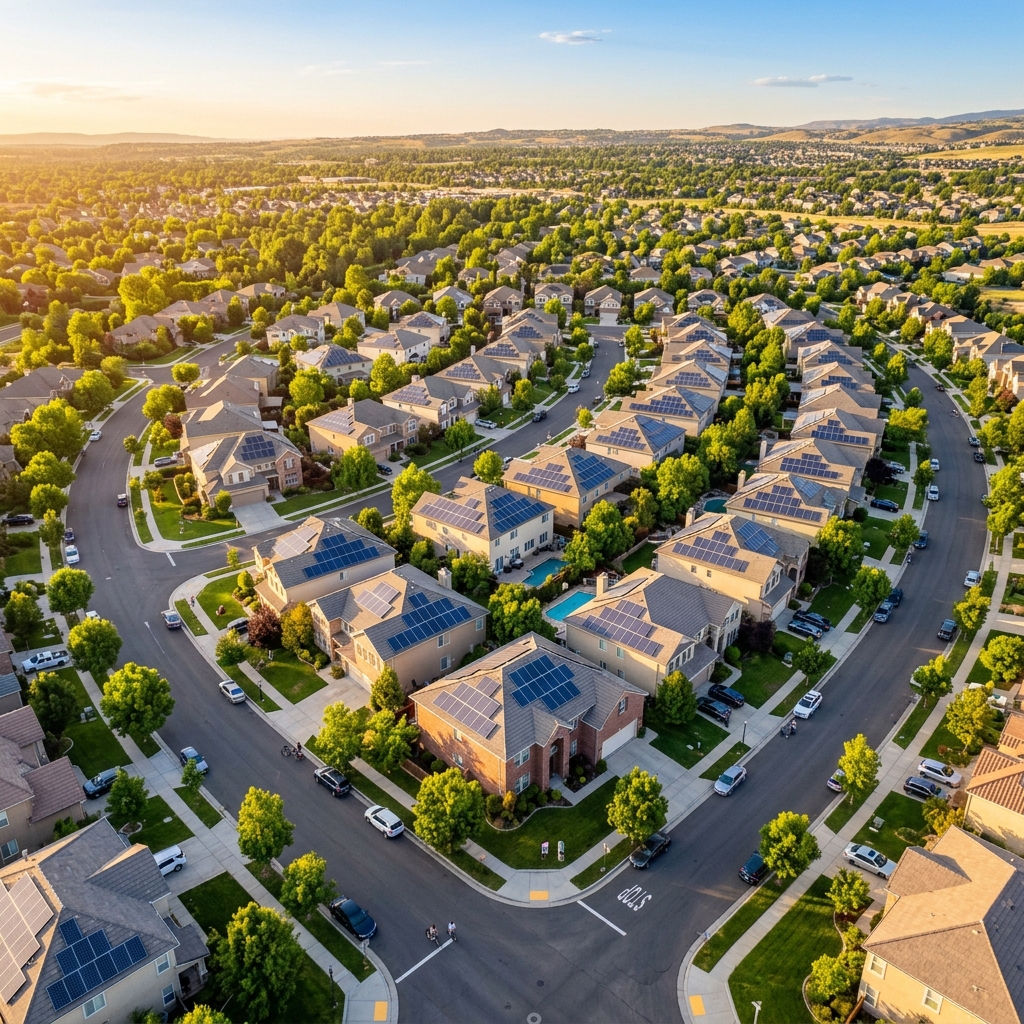
A New Era in Home Energy
The residential solar energy market in the United States has experienced unprecedented growth over the last decade. According to the Solar Energy Industries Association (SEIA), more than 4 million American homes now have rooftop solar panels, and this number is expected to double by 2030.
This shift isn't merely about technology. It represents a fundamental change in how communities relate to energy production and consumption. Homeowners are no longer passive consumers — they are becoming active participants in the nation's energy grid.
Why the Rapid Growth?
Several factors contribute to the accelerating adoption of residential solar energy:
- Declining Costs: The cost of solar panels has dropped by over 70% in the past decade, making installations accessible to middle-income families.
- Federal Tax Credits: The Investment Tax Credit (ITC) allows homeowners to deduct a significant percentage of the cost of installing a solar energy system from their federal taxes.
- State Incentives: Many states offer additional rebates, performance-based incentives, and net metering policies that make solar even more affordable.
- Environmental Awareness: Growing concern about climate change has motivated millions of Americans to seek cleaner energy alternatives.
Economic Impact
The residential solar sector is one of the fastest-growing job creators in the United States. The solar industry employs over 250,000 workers — more than the coal, oil, and natural gas industries combined. Jobs range from manufacturing and installation to sales, finance, and project management.
For homeowners, solar panels can reduce monthly electricity bills by 50% to 70%, translating into savings of $10,000 to $30,000 over the system's 25-year lifespan.
Community-Level Transformation
Solar energy brings particular benefits to underserved communities. Community solar programs allow residents who cannot install panels on their own roofs — such as renters or those in shaded areas — to subscribe to a shared solar array and receive credits on their electricity bills.
These programs democratize access to clean energy and help reduce energy poverty, a growing concern in many American cities.
Looking Ahead
As battery storage technology improves and becomes more affordable, residential solar systems will become even more effective. Homeowners will be able to store excess energy produced during the day and use it at night, reducing their reliance on the grid almost entirely.
At Solar Soul Energy, we are committed to leading this transformation. Our mission is to make solar energy accessible, affordable, and beneficial for every American household — creating a sustainable future for communities across the nation.
Solar Soul Energy — Empowering Communities Through Clean Energy.